
Establishing the Foundation for a Mentally Healthy Generation
Every student has the right to mental well-being. At Erika's Lighthouse, we are focused on establishing a foundation for mental wellness in schools, homes and communities.
By providing high-quality, evidence-based and completely free mental health literacy, depression education and suicide prevention curriculum for K-12 schools, we are shifting the national conversation. When we establish a shared ethos around mental wellness, we are actively laying the foundation for strong families and supportive school communities.
Learn About Erika's Lighthouse
Revolutionizing the Mental Health Landscape
We believe that a strong foundation for mental wellness is the ultimate catalyst for action. Our upstream, skills-based framework is focused on equipping students, families and trusted adults with the knowledge, values and vocabulary to speak honestly and openly about mental health.
When we establish this foundation, we create a supportive environment that leads to:
-
Universal education creating shared values and vocabulary.
-
Normalized conversations that reduce stigma.
-
Improved connectedness increasing trusted adults and fostering help-seeking.
-
Earlier identification and intervention for students experiencing mental distress.
-
Better treatment outcomes from earlier intervention and more informed participants.
-
A mentally healthy generation equipped with life-long skills to care for themselves and each other.
-
The power of knowledge and open conversations when young people become adults.
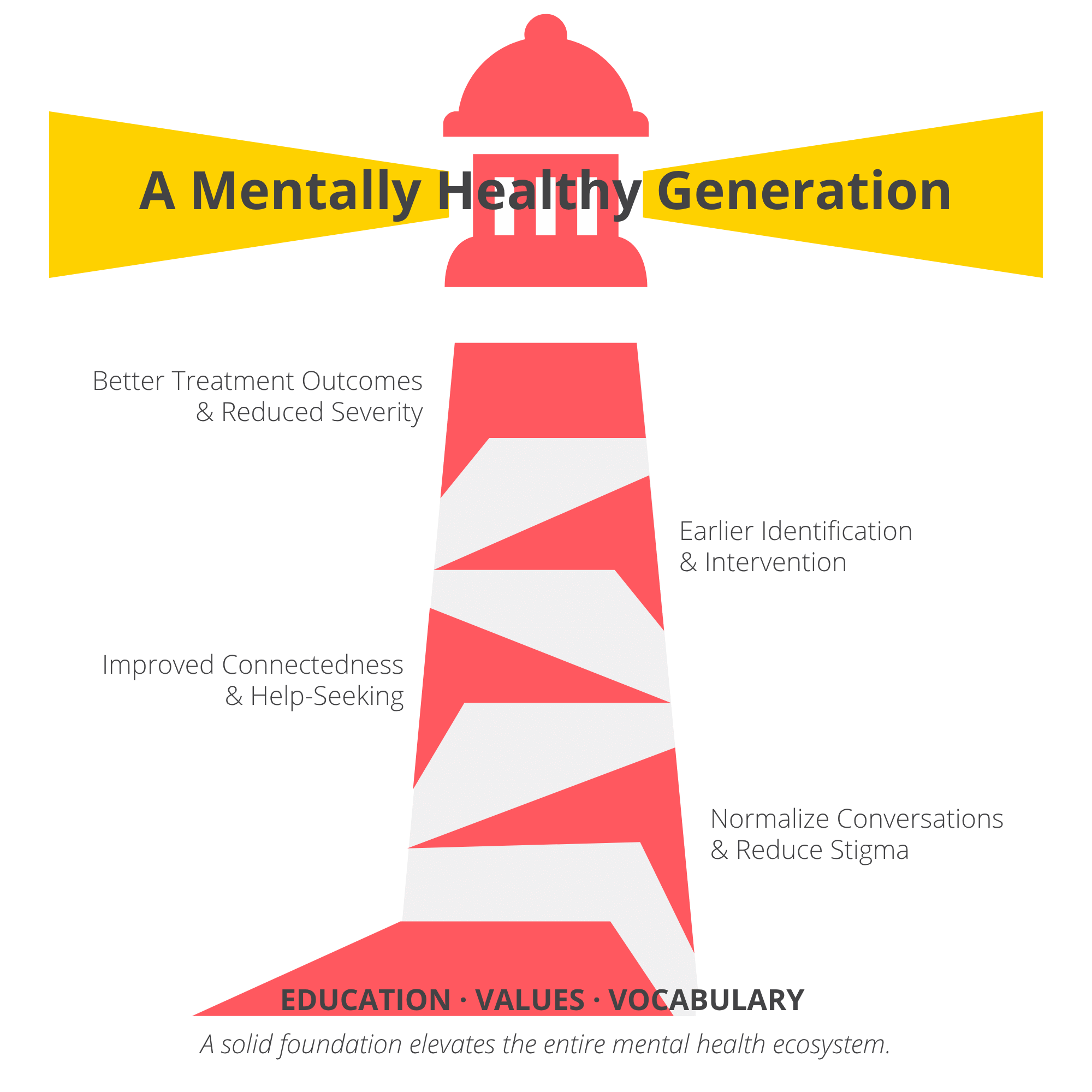
A solid foundation elevates the entire mental health ecosystem. Establishing a shared ethos across schools, homes, and communities gives trusted adults, like parents, teachers, counselors, therapists, and healthcare providers, shared values and vocabulary so they are prepared to promote good mental health and support youth.
Our scalable framework is uniquely positioned to deliver on this promise.
in 2025-26 School Year
5,300+
schools impacted
50
states + DC
& 38 countries
All Impact data is available, in real-time, on our Impact Dashboard.
Identifying the Issues & the Need for Prevention
Seeking professional care is a courageous and necessary step, but clinical treatment alone is rarely a quick or permanent fix. A 2025 global study published in JAMA Psychiatry found that while 83% of individuals who sought help received a "minimum" level of care, only 47% of that group experienced fully effective treatment. For more than half of those engaging with the mental healthcare system, healing is an ongoing, non-linear journey requiring continuous management rather than a single treatment option.
- The Treatment Disconnect: Among individuals who recognize their condition and connect with care, 53% find their initial treatments ineffective or require prolonged adjustments to find relief (1).
- Treatment Resistance: Nearly 48% of individuals with major depressive disorder experience treatment resistance, requiring long-term, ongoing management across multiple care strategies (2).
- Inadequate Maintenance: Roughly 25% of adults with diagnosed mental illness report that, despite having access to care, their current treatment plan remains inadequate for day-to-day symptom management (3).
- Delayed Detection: The WHO notes that while half of all mental health conditions begin by age 14, most cases go undetected and untreated for years (4).
- Lack of Providers: Nearly 130 million Americans live in designated mental health professional shortage areas, and more than half of all U.S. counties lack a single practicing psychiatrist. In fact, the Health Resources and Services Administration (HRSA) indicates that the workforce shortage is expected to severely worsen over the next decade - further expanding on the need for prevention (5).
- Early-Intervention Lasts: A study from Washington University demonstrated that youth engaging in treatment earlier had better outcomes with long-lasting effects (6).
Empowering Students with a Lifeline for a Lifetime
Because downstream treatment takes time and continuous fine-tuning, universal Tier-1 education becomes essential. Erika’s Lighthouse equips young people with the tools to navigate this reality before and alongside clinical care:
- Articulating Needs through Shared Vocabulary: Treatment requires clear feedback. We give youth the precise language to communicate openly with therapists, doctors, and trusted adults so they can advocate for effective care.
- Building Everyday Coping Skills: We teach practical grounding and stress-management techniques that sustain students day-to-day while clinical adjustments are underway.
- Normalizing the Healing Process: By breaking down stigma, we help students understand that a non-linear path to recovery isn't a failure—it is simply a normal part of practicing lifelong mental wellness.
Universal education does not replace healthcare; it prepares an entire generation to know the signs, seek help if they need it and navigate the system with resilience, self-awareness, and hope.
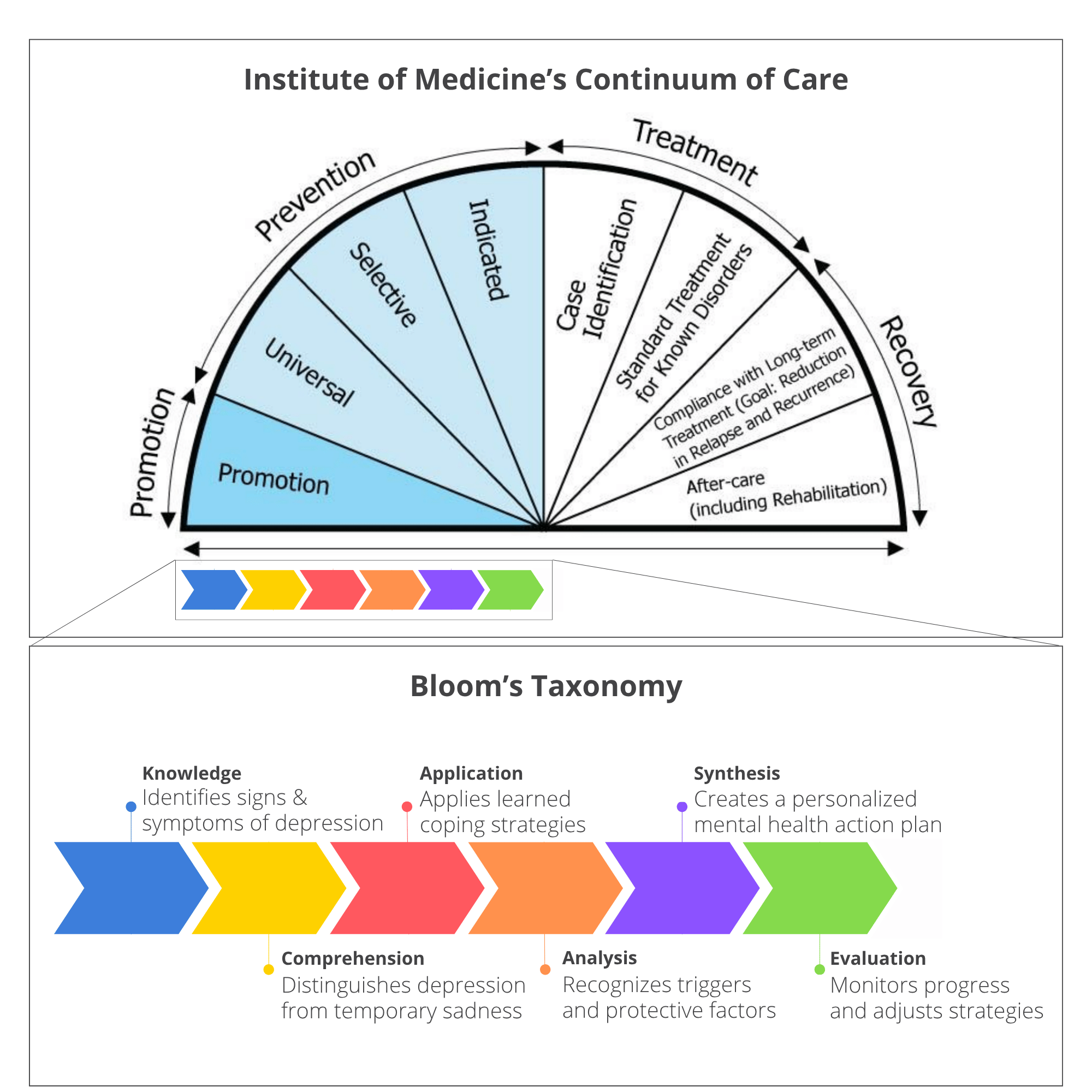
Amplifying Mental Wellness Across Whole Communities
Schools are the heart of our communities—the foundational spaces where young people form the values, relationships, and coping skills that shape their futures. By delivering universal, Tier-1 depression education and suicide prevention curriculum to districts at zero cost, Erika’s Lighthouse equips school communities to create safe, supportive environments where no student feels alone.
Our Four Pillar Model
We provide complete mental health education for grades K–12 across four core areas:
-
Classroom Education: Skills-based, peer-led lessons covering mental health literacy, depression awareness, and suicide prevention and other upstream topics.
-
Empowerment Clubs: Student-led extracurricular initiatives that reduce stigma and transform school climate from within.
-
Family Engagement: Workbooks and workshops that align home and school, empowering parents to serve as effective trusted adults.
-
Policy & Staff Training: All-staff modules that prepare educators to recognize distress and provide trauma-informed support.
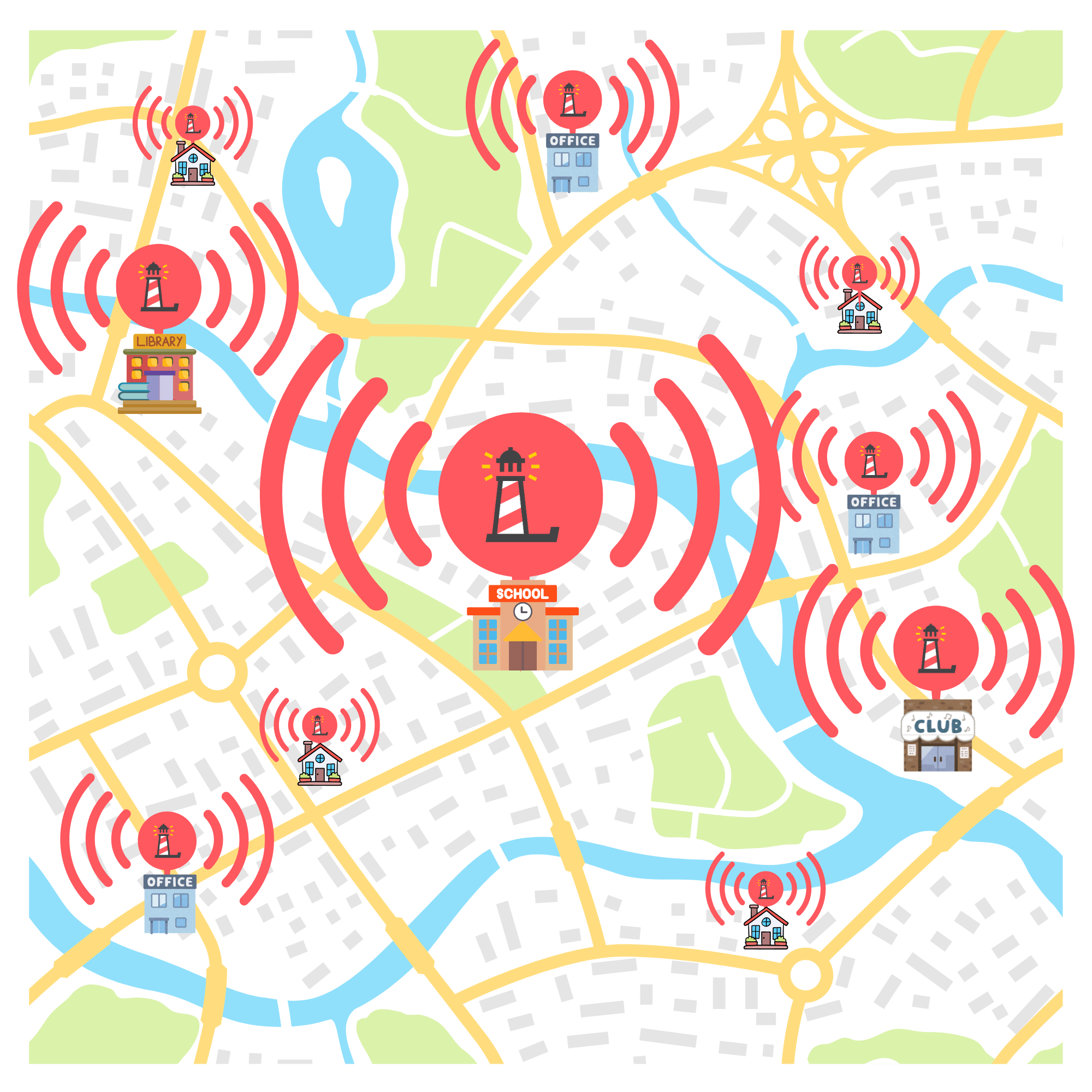
Engaging Whole Communities to Establish Beacons that Resonate
A mentally healthy generation requires a connected safety net that extends beyond the classroom. Our programs are designed to ripple through an entire local community so every space youth know and trust supports their mental health:
-
Extending Hope to Homes: The Family Toolbox, Family Workbooks and Workshops demystify mental health, preparing caregivers for open, supportive dialogue.
-
Activating Youth Networks: Strategic partnerships with community-based organizations and student leadership groups bring peer-led messaging into everyday youth spaces.
-
Engaging Workplaces & Leaders: Turnkey resources equip local businesses and civic leaders to actively support employees and youth mental well-being.
Harnessing the Power of Technology for Mental Wellness
In an increasingly digital world, we leverage technology to foster human connection, not replace it. Our innovative tools are specifically designed to spark real-life, face-to-face conversations:
-
Digital Tools: A catalog of self-guided tools educates and empowers students, families and trusted adults to understand mental health, learn how to start meaningful conversations and promote good mental health. The Teen Toolbox, Family Toolbox, Mental Health Recharge, Resource Portal and so much more are equipping communities for this new mental health framework.
-
On-Demand Learning: Through our exclusive LMS, Enlighten, we offer our Family Workshop Series, Staff Training, The Anyone Program and more as on-demand videos or live sessions, meeting trusted adults where children live, learn and play.
-
Data Center: Our online Data Center simplifies data collection and generates automated reports, empowering educators to easily evaluate school culture and make data-informed decisions that directly support their students in person.
-
Thought Leadership: The Data Center is not just for local impact. We have designed surveys that not only evaluate program effectiveness, but also school culture and student connectedness. We collect 150,000 pre/post surveys annually and power our database with NCES school-level data that is transforming our understanding student wellbeing, help-seeking and youth well-being.
-
Data Feedback & Analysis: The Data Center may not always be a dashboard. Leveraging AI, we hope that districts and schools won't only have access to a static visual, but a conversational AI that can provide context, comparisons and recommendations based on the data they are reviewing. Technology can improve outcomes through meaningful, actionable feedback.
-
Personalized Curriculum: Erika's Lighthouse is also unlocking the potential of AI in Education. We are developing working models that leverages our evidence-based curriculum, but generates customized curriculum for hard-to-impact populations across the country. Whether it is a native community in Wyoming, a rural faming community in Nebraska, or a Title I school in Georgia - Erika's Lighthouse curriculum may soon resonate even more.
-
Human-Centered & Conversational: At Erika’s Lighthouse, technology, data, and AI serve one clear purpose: to enrich classroom learning and deepen real-world human connection—keeping open, supportive conversations at the heart of everything we do.
Going Further Upstream
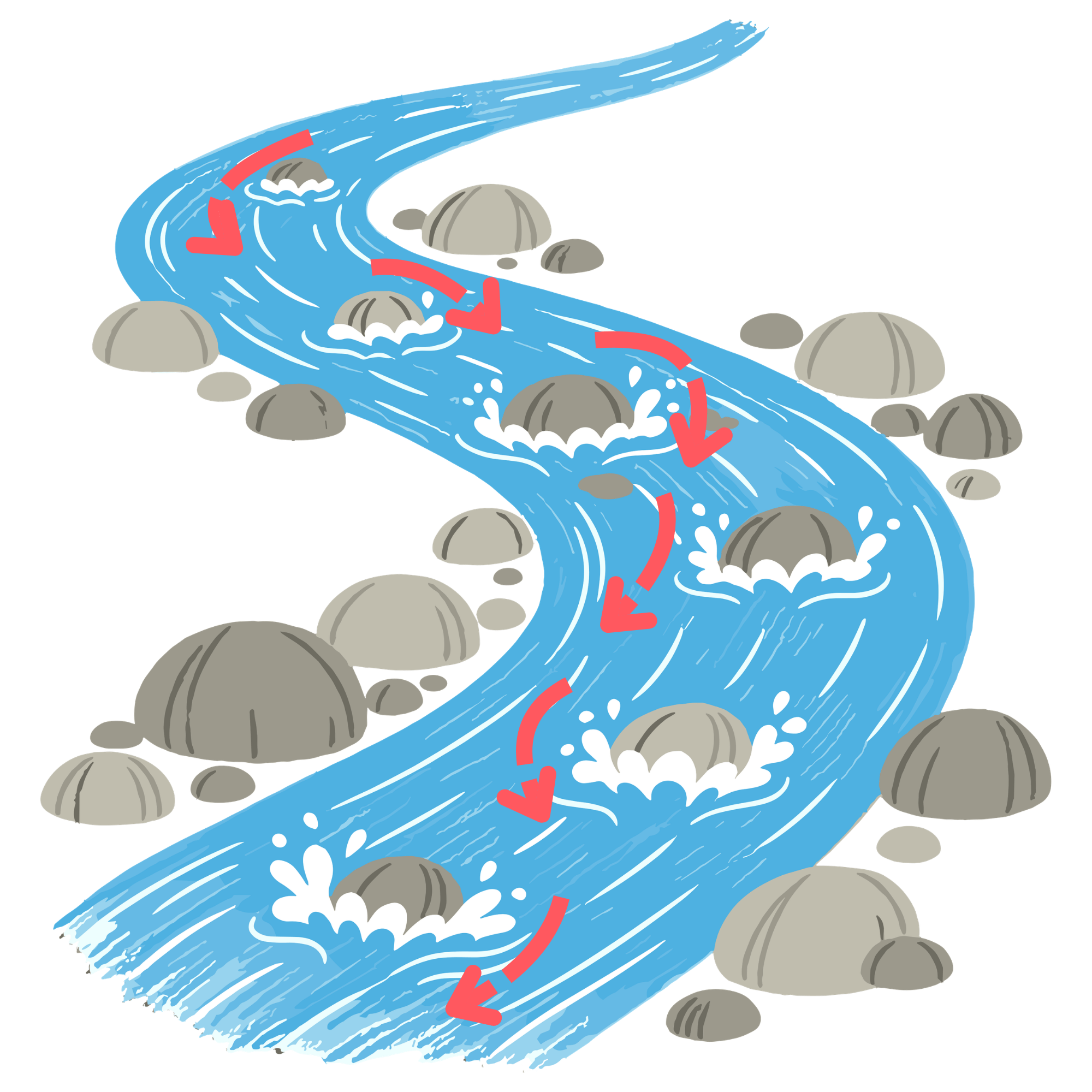
True prevention means stepping in long before a young person reaches a point of crisis. At Erika’s Lighthouse, going "upstream" means addressing the underlying pressures and root causes of today’s youth mental health crisis—equipping students with practical skills to navigate daily life before struggles turn into distress.
By expanding beyond depression and suicide into holistic skill-building, our curriculum equips students, educators, and families to proactively build healthy environments around:
-
Addiction: Understanding the risks and making informed choices.
-
Anxiety & Stress: Navigating everyday pressures and finding calm.
-
Digital Wellness: Building healthy habits in a screen-heavy world.
-
Positive Relationships: Creating and recognizing strong connections.
-
Resilient Mindsets: Bouncing back from challenges with confidence.
-
Social Inclusion: Creating a school culture where everyone belongs.
Measuring Impact in Every Classroom
Our impact is measurable and meaningful. By focusing on practical solutions and empowering students, we are seeing real change:
-
89% of students reported achieving a key learning objective: mental health literacy.
-
93% of students believe we should be talking about mental health.
-
13% of students increased their identification of trusted adults outside the home, including teachers, coaches, and religious leaders.
-
91% of students say they have the information and ability to take care of their mental health.
-
96% of students believe it is important to seek help for a friend talking about suicide.
All Outcome data is available, in real-time, on our Outcomes Dashboard.

Getting Involved in Our Revolution of Hope
Individuals
Our community was created by passionate individuals determined to ensure no young person feels alone in their depression. Join our movement today and be a beacon of hope in your community.
You can make a difference:
Corporations & Businesses
Ensuring a mentally healthy generation will take all of us. Corporations and businesses have an exciting opportunity to advance youth mental health through sponsoring, partnering or volunteering.
Here are a few possibilities:
Foundations
Solving the youth mental health crisis is our mission, and we know we cannot do it alone. Our framework collaborates with schools, community groups, volunteers to reduce duplication and promote sustainability.
Help advance our work:
Donate Today
Make a donation to advance Erika's Lighthouse mission to empower more young people to take control of their mental health. You can be a lifeline for a lifetime.
Access FREE Curriculum & Resources
Create a free Resource Portal account to gain instant access to all resources. You can start implementing in your school today.
Sources
- STAR*D Study (Sequenced Treatment Alternatives to Relieve Depression, NIMH / Rush et al., American Journal of Psychiatry, 2006) and subsequent Measurement-Based Care (MBC) literature (e.g., Lewis et al., Psychiatric Services, 2016).
- University of Birmingham / The British Journal of Psychiatry (Gill et al., 2024/2025 study on real-world treatment pathways for depression).
- Mental Health America (MHA) "State of Mental Health in America" Reports & SAMHSA (National Survey on Drug Use and Health data).
- World Health Organization (WHO) Adolescent Mental Health Guidelines, originating from the National Comorbidity Survey Replication (NCS-R) (Kessler et al., Archives of General Psychiatry, 2005).
- Health Resources and Services Administration (HRSA) (Health Professional Shortage Area / HPSA Data) combined with studies published in the American Journal of Preventive Medicine (University of Michigan workforce analysis) and the AAMC (Association of American Medical Colleges).
-
Elansary M, Barch DM, Tillman R, Dandrea CB, Vogel AC, Donohue MR, Hennefield L, Gilbert K, Luby JL. Preadolescent benefits of parent child interaction therapy – emotion development for preschool depression: 4-year follow up. JAACAP. June 27, 2025. DOI: 10.1016/j.jaac.2025.06.01