

School Refusal: How Parents Can Help a Child Struggling with Depression
Key Takeaways
Key Takeaways
- School Refusal Is a Symptom, Not Defiance: Reluctance or inability to attend school often stems from underlying youth depression, anxiety, bullying, or social distress.
- Identify the Root Cause: Effective intervention requires understanding whether school refusal is driven by emotional pain, physical distress, or interpersonal conflicts.
- Partner with School Support Staff: Establish open communication lines with school social workers, counselors, and therapists using signed consent releases.
- Patience & Positivity Win: Avoid power struggles, validate your teen's emotional pain, and celebrate small, incremental steps toward attendance.
"It’s so important to have self-compassion. It’s a painful process for parents, caregivers, and everyone."
— Lee Dal Pra, AM, LCSW, Director of Child Programs at Compass Health Center
What Is School Refusal in Children and Teens?
How to Handle School Refusal: First Steps for Parents
If your child is avoiding or refusing to go to school, start by consulting your child’s therapist or primary care provider. They can help develop strategies to help resolve the situation, such as addressing your child’s sleeping habits so that they are ready for school in the morning.
- Addressing Bullying: If school avoidance stems from bullying or peer conflict, school administrators must be involved immediately to mediate and establish safety protocols.
- Family Dynamics: If school refusal is rooted in home or family distress, family therapy can help stabilize the environment.
- School Collaboration: Regardless of the underlying cause, getting your child’s school support team involved early is critical.
When involving school administrators, counselors, and external therapists, clear communication is key. Make sure legal consent releases are signed so that school staff can work with you and your child’s mental health professionals seamlessly—resulting in a consistent, supportive approach.
6 Practical Tips for Parents Managing School Avoidance
Everyone’s situation is different, and blanket advice cannot resolve every attendance challenge. However, these evidence-informed strategies can help stabilize your home environment during a crisis:
1. Avoid Engaging in Power Struggles
When your child is refusing to go to school, try to avoid getting upset or resorting to harsh ultimatums. Escalating the situation increases emotional distress—which creates an unhelpful headspace for a child who is already overwhelmed by the prospect of attending school.
2. Validate How They Are Feeling
Think about what would feel comforting if you were in your child’s position. Acknowledging their pain—saying "I see how hard this is for you right now, and we are going to work through it together"—builds trust and lowers anxiety.
3. Reinforce the Daily Action Plan
Remind your child of the coping plan developed with their mental health team. If part of the plan includes using skills learned in cognitive behavioral therapy (CBT), ask your child’s therapist to teach you those techniques so you can guide your teen at home. Ask your child if it is okay to share these cues with trusted school staff.
4. Establish a Safe Space at School
Children experiencing emotional distress often fear visibly "losing control" or having a panic attack in front of peers. Work with the school to designate a discreet, safe space—such as the school social worker's, counselor's, or nurse's office—where your teen can step away and ground themselves during the school day.
5. Practice Calm Consistency & Patience
Remain firm on the expectation that school attendance is essential, while maintaining empathy for how long recovery takes. Overcoming chronic school refusal is an incremental process.
6. Reward and Praise Small Steps Forward
Point out moments when your child uses their coping skills or makes progress, no matter how small. Depression causes young people to see failure in everything; positive reinforcement serves as a powerful counter-weight.
Exploring Therapeutic School Placements & Special Education Rights
Chronic school refusal may indicate that a traditional academic environment is no longer meeting your child's clinical needs, and a specialized therapeutic school may be required.
Under the Individuals with Disabilities Education Act (IDEA), public schools are federally mandated to provide students with a Free Appropriate Public Education (FAPE) in the Least Restrictive Environment (LRE). This means school districts must exhaust all available in-district interventions, accommodations, and Individualized Education Programs (IEPs) before funding an out-of-district therapeutic placement.
If you choose to explore therapeutic educational options independently:
- Pediatric Consultation: Speak with your child's pediatrician or therapist for accredited regional recommendations.
- NATSAP Directory: Search the National Association of Therapeutic Schools and Programs (NATSAP) directory to evaluate residential and day programs.
- Educational Consultants: Consult the Independent Educational Consultants Association (IECA) to find certified educational advocates in your area who specialize in therapeutic placements.
FAQs
Is school refusal the same as truancy?
No. Truancy typically involves a student staying away from school without parental knowledge or consent, often engaging in non-school activities. School refusal occurs with parental knowledge, where the student remains at home due to severe emotional distress, anxiety, or depression.
What should I do if my child has a panic attack when preparing for school?
Focus on physical de-escalation first. Use grounding techniques (like deep diaphragmatic breathing or the 5-4-3-2-1 sensory method). Do not force a physical confrontation; contact your child's therapist or the school social worker to initiate a warm transition plan for the day.
How can Erika's Lighthouse support families navigating youth depression?
Erika’s Lighthouse provides free, non-clinical resources designed to empower parents, educators, and students. Explore our Family & Parent Engagement Programs for bilingual conversation guides, mental health toolkits, and workshop materials.
SHARE THIS STORY


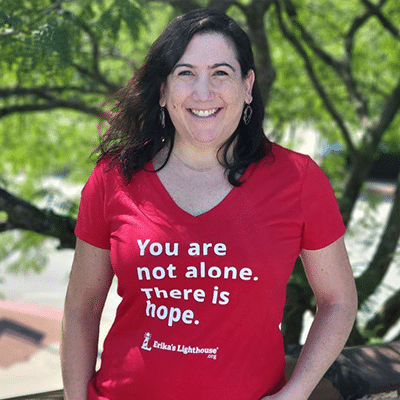
Ilana Sherman, MPH
Director of EducationIlana joined Erika’s Lighthouse in September 2019 as Director of Education. She has a Masters Degree in Public Health from the University of Illinois at Chicago. Ilana brings with ...
Learn more about Ilana...