.png?width=1067&height=600&name=2240%20x%201260px%20Blog%20Headers%20(8).png)
Implementing K–12 Mental Health & Wellness Standards: A Complete School Guide
Key Takeaways
- Upstream Focus: Early elementary education introduces coping mechanisms, self-regulation, and emotional vocabulary before crisis occurs.
- Comprehensive Framework: Eight core standards address emotional literacy, stigma reduction, digital wellness, and peer help-seeking.
- Seamless Integration: Designed to align directly with Multi-Tiered System of Supports (MTSS) and PBIS across K–12 grade levels.
- 100% Free Resources: Erika’s Lighthouse provides all Tier-1 classroom programs, lesson plans, and frameworks at zero cost to schools.
Youth mental health in America has reached an undeniable turning point. According to data from the World Health Organization (WHO), 50% of all lifelong mental health conditions begin by age 14, yet traditional educational frameworks have historically treated emotional well-being as a secondary concern—an intervention deployed only when a student reaches a breaking point.
Compounding this challenge is a rapidly evolving digital landscape where students navigate social media algorithms, online social pressures, and emergent Artificial Intelligence (AI) tools.To bridge the gap between academic learning and emotional survival, Erika’s Lighthouse has officially launched its new K–12 Mental Health & Wellness Learning Standards. This framework establishes a comprehensive, developmental continuum for emotional literacy, digital awareness, resilience, and help-seeking from kindergarten through high school graduation.
This guide provides school administrators, district leaders, educators, and community advocates with an in-depth exploration of the newly launched standards, actionable strategies for implementation across grade levels, and a roadmap for building a proactive culture of mental wellness.
Why the Launch of Mental Health Standards Matters Now
Launching formal K–12 mental health and wellness standards stems from an urgent need to treat mental well-being with the same structural rigor, consistency, and early intervention traditionally reserved for physical health.
The Shift from Reactive to Proactive Education
While emergency protocols remain essential, relying exclusively on crisis response leaves students vulnerable during their most formative developmental years. The launch of the K–12 Mental Health & Wellness Learning Standards marks a systemic shift from reactive crisis management to proactive, universal skill-building.
By launching "upstream" lessons as early as Kindergarten, schools normalize conversations about feelings, stress, and human relationships long before acute symptoms appear. When students are equipped with a shared emotional vocabulary, self-regulation routines, and healthy coping mechanisms early on, they are far better prepared to navigate academic, social, and digital pressures.
Key Drivers Behind the Standards
- Early Onset of Mental Health Conditions: According to World Health Organization (WHO) data, 50% of all lifelong mental health conditions begin by age 14. Introducing age-appropriate emotional literacy as early as kindergarten builds coping mechanisms before acute symptoms manifest.
- Parity with Physical Health: Schools systematically teach hygiene, cardiovascular function, and nutrition to prevent illness. Mental health standards establish a parallel baseline for the mind—teaching emotional regulation, stress responses, and cognitive awareness.
- Modern Digital Pressures: Students face unprecedented social and psychological challenges driven by social media algorithms, screen saturation, and emergent AI tools. Formal standards provide frameworks for digital boundaries, online self-worth, and technology management.
- Destigmatization & Upstream Help-Seeking: Structured standards build a shared, non-judgmental vocabulary across the student body and school staff. Normalizing conversations around emotional distress lowers social barriers to seeking help and equips peers to recognize warning signs safely.
- Systemic Curriculum Integration: Clear standards allow mental health skills to be embedded directly into existing subjects (like ELA literature analysis, biology units on the nervous system, or digital ethics in technology classes) rather than treating wellness as an isolated afterthought.
Deep Dive: The Eight K–12 Mental Health & Wellness Learning Standards
The newly launched framework is organized into eight distinct yet interconnected standards. Each standard outlines foundational concepts, age-appropriate behaviors, and practical competencies designed to support the whole child.
| Standard Number & Title | Core Focus Area |
Key Behavioral Competency
|
| Standard 1: Understanding Mental Health | Mental health literacy, risk/protective factors, digital influences |
Differentiating stages of well-being and evaluating environmental factors.
|
| Standard 2: Emotional Literacy & Self-Awareness | Identifying feelings, recognizing distress, thought loops |
Recognizing complex emotions and applying self-soothing techniques.
|
| Standard 3: Mental Health Knowledge & Stigma Reduction | Warning signs, brain connections, dismantling stigma |
Identifying red flags and using person-centered language.
|
| Standard 4: Relationship Skills & Healthy Boundaries | Communication styles, "I-Statements," digital boundaries |
Articulating needs, enforcing boundaries, navigating conflict.
|
| Standard 5: Coping Skills & Resilience | Stressor identification, stress-reduction, screen habits |
Executing healthy stress-relief strategies facing adversity.
|
| Standard 6: Mental Health & Connectedness | Sense of belonging, inclusive environments, digital impact |
Cultivating community and managing tech to preserve connection.
|
| Standard 7: Social Awareness & Empathy | Empathy vs. sympathy, interpreting cues, upstander skills |
Reading nonverbal cues and responding compassionately.
|
| Standard 8: Help-Seeking & Advocacy | Identifying trusted adults, peer support, support systems |
Seeking trusted adult resources and guiding peers toward help.
|
Explore the Framework: Download the complete K–12 Mental Health & Wellness Learning Standards Framework to review detailed grade-level indicators for your district.
Integrating the 8 Standards into School-Wide Frameworks
To maximize impact, mental health education should not exist in isolation. The K–12 standards integrate into existing Multi-Tiered System of Supports (MTSS) and Positive Behavioral Interventions and Supports (PBIS) frameworks.
Tier 1: Universal Classroom Integration (100% of Students)
Standards are woven directly into core subjects, morning advisory periods, physical education, and health classes. Explore our Free K–12 Classroom Programs to see how these lessons seamlessly fit into daily instruction
- English Language Arts (ELA): When analyzing character choices in literature, teachers embed Standard 2 (Emotional Literacy) and Standard 7 (Empathy) by asking students to map a character's emotional triggers, coping strategies, and nonverbal communication.
- Science & Biology: Teachers fulfill Standard 3 by connecting nervous system units to brain chemistry, neuroplasticity, and the physical mechanisms of the human stress response.
- Computer Science & Technology: Educators leverage Standards 1, 4, and 7 to discuss algorithm design, digital ethics, the limits of artificial intelligence, and digital wellness.
Tier 2: Targeted Small-Group Support (~15% of Students)
For students demonstrating elevated stress, mild anxiety, or difficulties with peer relationships, school counselors and social workers utilize the standards to guide Tier 2 intervention groups. Small-group modules focus on advanced coping strategies (Standard 5), assertive communication practice (Standard 4), and structured help-seeking routines (Standard 8).
Tier 3: Intensive Clinical Interventions (~5% of Students)
While the standards focus primarily on skill-building and prevention, Standard 3 and Standard 8 provide explicit language for emergency situations. When a student experiences severe mental distress, self-harm ideation, or a crisis, school mental health professionals use the shared language established by these standards to guide re-entry plans, coordinate care with families, and ensure continuous community support.
💡 Related Resource: Want to see how peer districts bring these frameworks to life? Watch our Panel Discussion on Best Practices for School Mental Health for insights from school leaders.
How Schools and Districts Can Get Started with the New Standards
Adopting the Erika's Lighthouse standards is streamlined by one major advantage: the entire suite of Tier-1 programs and resources remains 100% free for any school, anywhere.
Action Steps for District Administrators
- Conduct a Curriculum Audit: Compare your current health and advisory scope-and-sequence against the newly launched standards to pinpoint gaps—particularly around digital wellness, AI literacy, and early elementary prevention.
- Establish Shared Terminology: Ensure teachers, counselors, administrators, and support staff use uniform, stigma-free language when addressing emotional health and student behavior.
- Engage Families: Host community education nights and distribute Erika's Lighthouse Family Engagement Resources to help parents reinforce coping strategies, screen boundaries, and help-seeking behaviors at home.
The Path to Impact 2030
The rollout of these K–12 Mental Health & Wellness Learning Standards is a foundational pillar of Erika’s Lighthouse’s Impact 2030 strategic vision—an initiative designed to positively impact over 2.5 million students annually.
By equipping young people with emotional vocabulary, stress management tools, healthy boundary strategies, and digital literacy, educational institutions do more than prevent crises—they build a mentally healthy generation. When students have the skills and knowledge to take care of their mental health, feel confident seeking help, and know how to support one another, academic growth follows naturally.
Mental health is not a separate academic subject; it is the lens through which all learning, connection, and human development take place.
Bring Mental Health Literacy to Your School Community
Erika’s Lighthouse is a non-profit organization dedicated to educating and encouraging school communities around youth mental health, lowering stigma, and preventing suicide. We believe that cost should never be a barrier to student well-being, which is why all of our K–12 classroom programs, staff trainings, family engagement portals, and club resources are provided 100% free of charge.
Ready to align your school or district with the new K–12 Mental Health & Wellness Learning Standards?
👉 Create a Free Account or Request a District Demo to access our complete resource portal today.
FAQs
Frequently Asked Questions
What are the K–12 Mental Health & Wellness Learning Standards? They are a comprehensive, developmental framework created by Erika’s Lighthouse to guide schools in teaching emotional literacy, stress management, digital wellness, and help-seeking skills from kindergarten through 12th grade.
Are the Erika’s Lighthouse K–12 standards free to use? Yes. Every classroom program, lesson plan, and alignment resource provided by Erika’s Lighthouse is 100% free for schools.
How do these learning standards fit into an MTSS or PBIS framework? The standards serve as Tier 1 universal education for all students in core classrooms and advisories, while providing structured skill-building tools for Tier 2 small groups and Tier 3 crisis re-entry support.
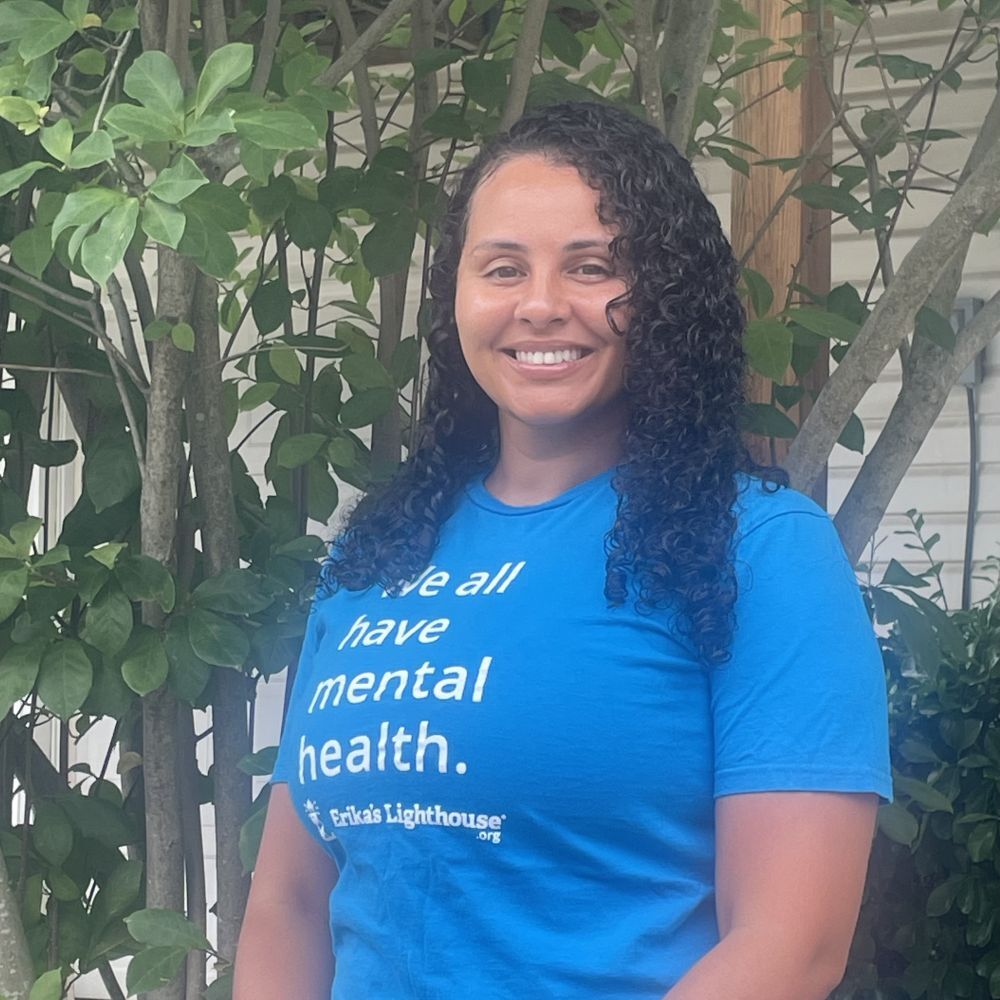
Britnee Weatherspoon, Ed.D.
Director of CurriculumDr. Britnee Weatherspoon joined Erika’s Lighthouse in February 2026 after serving for three years as a Professional Community Ambassador. She is a nationally recognized school well...
Learn more about Britnee...