

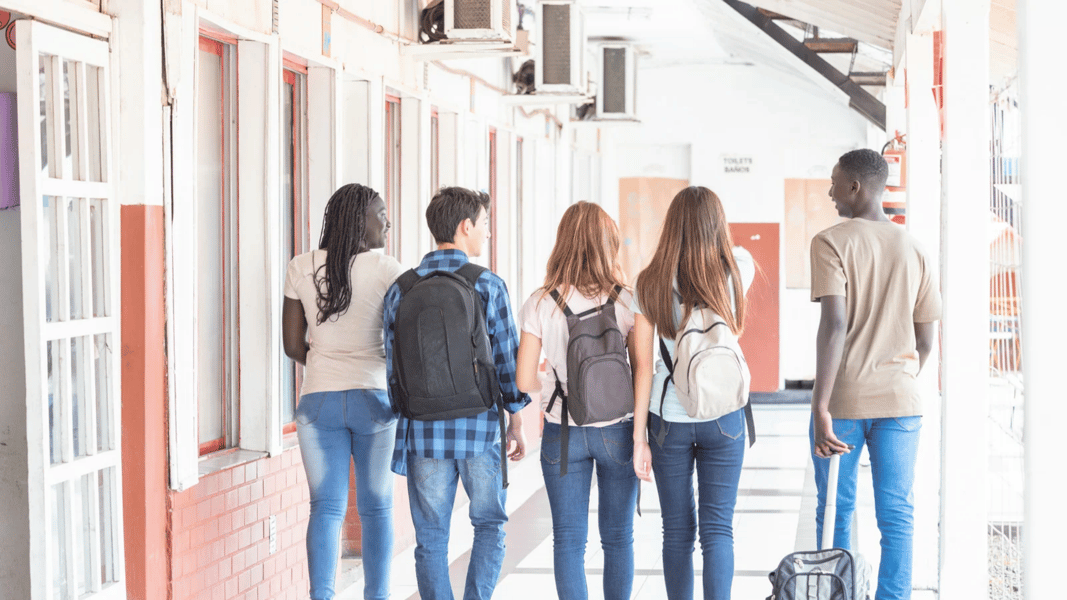
Introducing Erika’s Lighthouse’s New K–12 Positive Relationships Curriculum
Key Takeaways
- Upstream Mental Wellness: Erika’s Lighthouse introduces a new, turnkey K–12 Positive Relationships Curriculum designed to build healthy boundaries, communication, and conflict repair skills.
- Four Developmental Levels: Scaled appropriately across four grade bands (Grades K–3, 4–6, 5–9, and 8–12) to match student social development.
- Skills-Based & Standards-Aligned: Features 4 turnkey lessons per level aligned with CASEL, NHES, ASCA, and Erika’s Lighthouse Learning Standards.
- 100% Free Access: All lesson plans, discussion guides, and student resources are available at zero cost to educators nationwide.
Healthy relationships aren’t just a nice-to-have, they are a cornerstone of student mental health.
From a kindergarten student learning to identify a trusted adult, to a middle schooler setting boundaries online, to a high school senior navigating independence and conflict, relationships shape how young people experience belonging, safety, and support.
That is why Erika’s Lighthouse is thrilled to introduce our new K–12 Positive Relationships Curriculum: a developmentally sequenced, skills-based mental health education program designed to equip students with the tools they need to build healthy, respectful relationships throughout childhood and adolescence.
Why Positive Relationships Matter for Mental Health & Student Success
Research from the Collaborative for Academic, Social, and Emotional Learning (CASEL) consistently demonstrates a powerful link between healthy relationships and positive student outcomes. When students feel safely connected to peers and adults:
- Academic performance improves: Emotional safety in the school environment directly correlates with higher engagement, better attendance, and improved academic outcomes.
- Classroom trust deepens: A supportive social climate creates an environment where students feel safe taking academic risks, asking questions, and collaborating with peers.
- Mental health thrives: Strong peer networks act as a critical buffer against toxic stress, anxiety, and feelings of isolation.
However, positive relationships do not happen by accident. While supportive connections create belonging, navigating everyday peer dynamics—like shifting social hierarchies, peer pressure, or digital miscommunication—can weigh heavily on a young person.
Young people need more than simple reminders to “be kind.” They need concrete opportunities to practice real-life relationship skills.
Key Questions Students Explore:
- "What makes a relationship healthy, and how does it support my learning and well-being?"
- "How do I navigate peer friendships, social dynamics, and setting boundaries?"
- "What steps can I take to repair a relationship after a disagreement or conflict?"
- "How can I support a friend without feeling responsible for fixing their problems?"
- "When is communication enough, and when should I involve a trusted adult?"
One Curriculum, Four Developmental Levels
The Positive Relationships Curriculum is organized into four levels that meet students where they are developmentally while building toward relationship and mental health skills.
Introduction Level (Grades K–3)
- Focus: Emotional literacy, friendship basics, kindness, personal space, and trusted adults.
- Core Takeaway: Early elementary students build classroom trust and the basic vocabulary needed to recognize that healthy relationships should help everyone feel safe, respected, and cared for.
Level I (Grades 4–6)
- Focus: Peer friendship skills, communication styles, assertive self-expression, and establishing boundaries.
- Core Takeaway: Respect applies face-to-face and across digital spaces (texts, group chats, gaming). Students practice I-Statements to express their needs and navigate peer dynamics constructively.
Level II (Grades 5–9)
- Focus: Navigating changing social hierarchies, peer pressure, nonverbal cues, active listening, digital communication, and recognizing help-seeking as a strength.
- Core Takeaway: Students learn how to build authentic connections while understanding that asking a trusted adult for help when social dynamics become overwhelming is a sign of resilience, not failure.
Level III (Grades 8–12)
- Focus: How identity shapes relationship values, the Dependence Spectrum (hyper-independence to overreliance), structured conflict resolution, and the limits of peer support.
- Core Takeaway: Students master the art of conflict repair—learning how to pause, take accountability, and rebuild trust after disagreements—while distinguishing between healthy peer support and situations demanding professional help.
Skills Students Can Use Beyond the Classroom
The Positive Relationships Curriculum is intentionally skills-based to engage students through reflection, scenario analysis, role-playing, and decision-making activities.
| Skill Area | Practical Application |
| Classroom Connection & Peer Skills | Navigating social hierarchies, inclusive group dynamics, active listening |
| Communication & Boundaries | Writing I-Statements, interpreting nonverbal cues, setting digital limits |
| Conflict & Repair | Structured conflict resolution, making genuine amends, analyzing warning flags |
| Advocacy & Support | Differentiating peer support from adult intervention, self-advocacy |
The Positive Relationships Curriculum is intentionally skills-based to engage students through reflection, scenario analysis, role-playing, and decision-making activities. These skills extend far beyond the classroom—they enhance classroom climate, improve social-emotional learning outcomes, and equip students for success in extracurriculars, families, online communities, and future workplaces.
Designed for Real Classrooms & Diverse Learners
Educators need programs that foster classroom trust without creating heavy administrative burdens.
- Turnkey & Flexible: Includes 4 facilitator-ready lessons per level, scripted guidance, discussion prompts, and alignment with CASEL, NHES, ASCA, and Erika’s Lighthouse K–12 Learning Standards. Standalone options are available for shorter instructional windows.
- Trauma-Informed & Private: Lessons promote connection without forcing personal disclosures. Students focus on hypothetical scenarios and individual reflection, keeping private experiences protected.
- Honoring Difference: The curriculum emphasizes that healthy relationships do not require sameness. It respects diverse cultural backgrounds, family structures, and communication styles, grounding success in mutual respect, accountability, and psychological safety.
Helping Students Know When to Reach Out
A central thread across all grades K-12 is that young people never have to navigate overwhelming situations alone.
As students grow older, peer support becomes vital—but so does knowing its boundaries. The curriculum teaches students how to be a supportive friend (e.g., listening, showing empathy, encouraging repair) without taking on the role of a therapist or crisis responder.
When situations involve harassment, toxic social dynamics, or serious mental health concerns, students learn to walk alongside their peers toward trusted adults (e.g., school counselors, teachers, parents, coaches).
Explore More Upstream Mental Health Topics
The Positive Relationships Curriculum is part of the broader Erika's Lighthouse suite of upstream, skills-based mental health modules. Explore our related classroom topics:
-
Anxiety & Stress: Understanding manifestations across developmental stages, coping strategies, and reducing classroom triggers.
-
Digital Wellness: Building healthy digital habits, addressing cyberbullying, and managing social media pressure.
-
Resilient Mindsets: Bouncing back from adversity and supporting students through loss or stress.
-
Addiction Awareness: Age-appropriate health education addressing substance trends and supporting families.
-
Social Inclusion: Fostering schoolwide belonging and eliminating social exclusion.
Bring Turnkey Mental Health Education to Your District
Healthy relationships are not defined by how we repair and strengthen connections when challenges arise, they are defined by how we repair and strengthen those connections when challenges arise. By helping students practice relationship skills, boundary-setting, and conflict repair early, we build supportive classroom cultures that nurture their mental health for a lifetime.
-
Register for Free Access: Create your free account to access all 4 levels of the Positive Relationships Curriculum.
-
Explore the Four Pillar Model: Discover how to combine classroom education with Empowerment Clubs, Family Engagement, and Staff Training.
-
Contact Our Implementation Team: Get personalized support for rolling out Tier-1 mental health programming across your school district.
FAQs
Frequently Asked Questions
What grades does the Positive Relationships Curriculum cover?
The curriculum is designed for full K–12 coverage, organized into four distinct developmental levels: Introduction Level (Grades K–3), Level I (Grades 4–6), Level II (Grades 5–9), and Level III (Grades 8–12).
Is the Positive Relationships Curriculum really free for schools?
Yes. Like all Erika’s Lighthouse resources, the entire Positive Relationships Curriculum—including lesson plans, scripted facilitator guides, discussion prompts, and student worksheets—is 100% free for educators and school districts nationwide.
How many lessons are included in each grade level?
Each level includes 4 turnkey, facilitator-ready lessons. Standalone 1-day lesson options are also available for schools operating under shorter instructional windows or special assembly schedules.
What standards does the curriculum align with?
The curriculum is explicitly aligned with national educational and mental health frameworks, including CASEL (Social-Emotional Learning), NHES (National Health Education Standards), ASCA (American School Counselor Association Mindsets & Behaviors), and Erika’s Lighthouse K–12 Mental Wellness Learning Standards.
How does this curriculum handle sensitive student disclosures?
The curriculum is trauma-informed and privacy-focused. Lessons emphasize connection and skill-building through hypothetical scenarios, role-playing, and individual reflection rather than requiring or encouraging personal disclosures in front of peers.
Does this curriculum replace crisis intervention or Tier-3 counseling?
No. This is a universal Tier-1 mental health education program designed for all students. It teaches students when social dynamics or emotional distress exceed peer support, providing clear pathways to walk alongside friends toward trusted school adults and counseling resources.
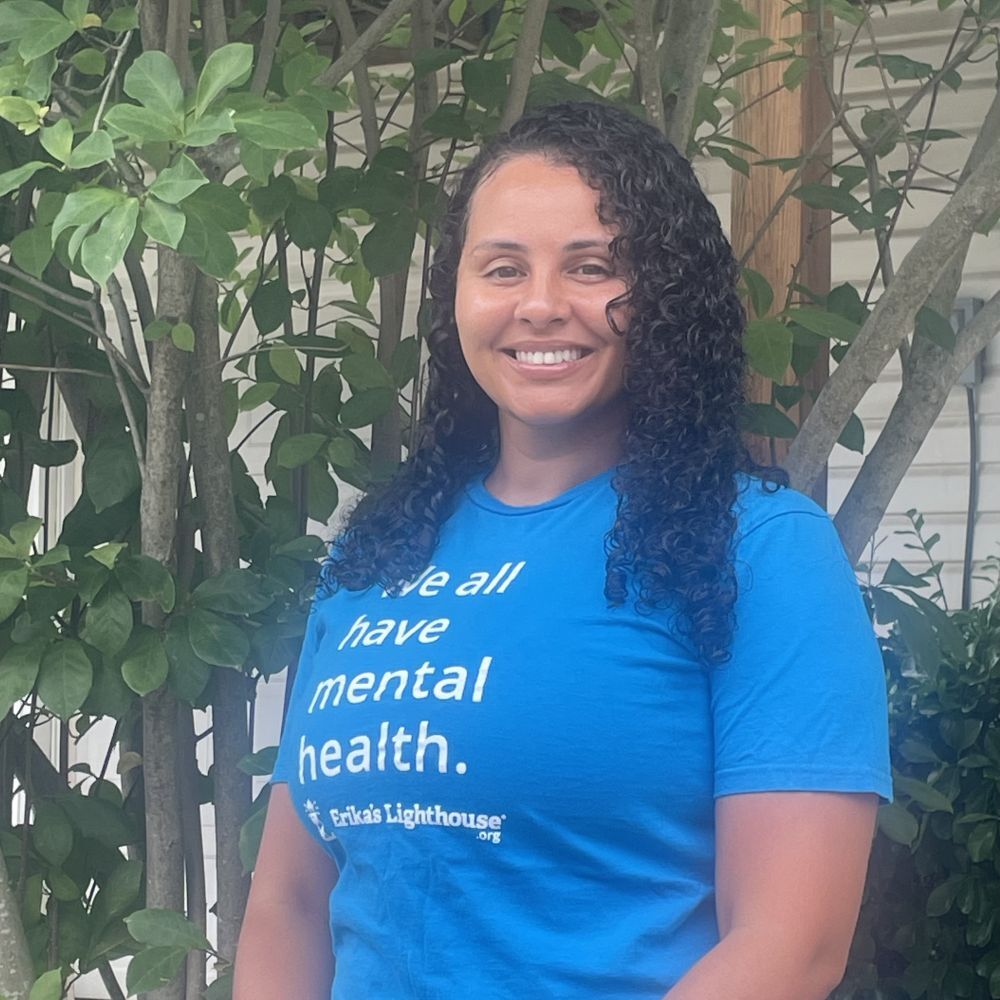
Britnee Weatherspoon, Ed.D.
Director of CurriculumDr. Britnee Weatherspoon joined Erika’s Lighthouse in February 2026 after serving for three years as a Professional Community Ambassador. She is a nationally recognized school well...
Learn more about Britnee...