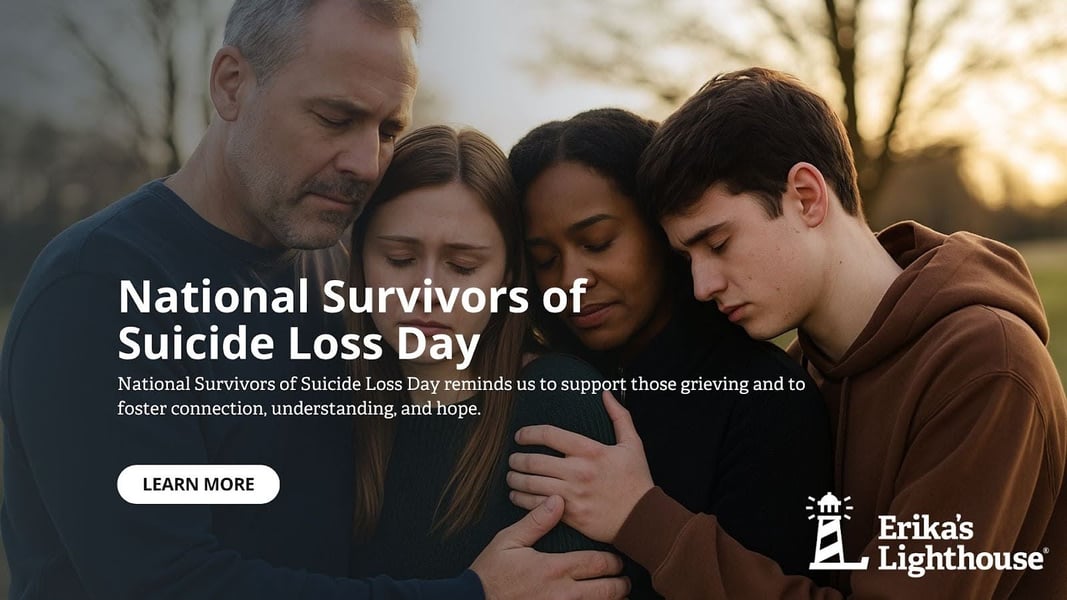
National Survivors of Suicide Loss Day: Healing Through Connection
Key Takeaways
Key Takeaways
-
A Global Community: This day provides a safe, non-judgmental space for survivors to find solidarity and transform private pain into shared resilience.
-
Challenging the Stigma: Openly discussing suicide loss helps break down the silence and guilt that often accompany this specific type of grief.
-
Proactive Support: Healing is a journey, and connecting with "trusted adults" and peer support networks is a vital step toward long-term mental wellness.
What Is International Survivors of Suicide Loss Day?
Established in 1999, this annual day of observance supports those navigating the devastating aftermath of suicide. Often referred to as “Survivor Day,” it is a global movement that brings people together through local and virtual events.
These gatherings often include:
-
- Peer-led discussions and storytelling.
- Commemorative films and presentations.
- Access to specialized grief resources and mental health support.
Why This Day Matters
Losing someone to suicide brings a unique and complex layer of grief. Survivors often experience intense feelings of guilt, confusion, and isolation. The stigma surrounding suicide can make it difficult for survivors to seek the help they need.
International Survivors of Suicide Loss Day challenges that silence. It offers validation, reminding participants that their pain is real, their questions are normal, and that healing—though difficult—is possible.
How to Participate and Honor Loved Ones
Whether you are a survivor or an ally, there are many ways to participate:
-
- Light a Candle: Create a small, personal memorial to honor your loved one’s life and legacy.
- Share Your Story: If you feel ready, sharing your experience can be a powerful way to help others feel less alone.
- Support Prevention: Advocate for mental health education in your local schools to help prevent future tragedies.
At Erika’s Lighthouse, our mission is simple: to ensure no young person feels alone in their depression. By fostering connection and education, we build communities of empathy and hope.
If you or someone you know is in crisis, please reach out for help immediately. * National Suicide & Crisis Lifeline: Call or text 988

FAQs
Frequently Asked Questions
Q: How can I support a friend who has lost someone to suicide?
A: The most important thing you can do is listen without judgment. Avoid offering "clichés" and instead offer a "listening ear." Remind them that you are a trusted adult or a supportive peer and that it is okay to not be okay.
Q: Where can a student go if they are feeling overwhelmed by grief at school?
A: Students should be encouraged to find a Trusted Adult—this could be a teacher, counselor, or coach. Many schools also have Erika's Lighthouse Empowerment Clubs, which are student-led spaces dedicated to promoting mental wellness and peer support.
Q: What resources does Erika’s Lighthouse offer for suicide prevention?
A: We provide a comprehensive, free Tier-1 Program Catalog that includes classroom lessons specifically designed to educate students about depression and suicide prevention. Our goal is to provide "Every student. Every classroom. Every school." with the tools they need to stay safe.
Brandon Combs
Executive DirectorBrandon Combs is a forward-thinking nonprofit executive serving as the Executive Director of Erika’s Lighthouse. Driven by a commitment to student well-being, he leads the organiza...
Learn more about Brandon...