
💡Key Takeaways
In this episode, Vice President of Programs Katie Conklin delves into:
- Identifying Warning Signs: The specific, marked changes in behavior—such as persistent irritability, self-defeating attitudes, bizarre sleep patterns, or risk-taking—that parents and educators should watch for.
- The Power of Asking for Help: The importance of equipping kids with the knowledge of who their trusted adults are and the steps to take when they or a friend need support.
- Real-Life Impact: Powerful stories, like the fourth grader who disclosed suicidal thoughts after a single wellness lesson, demonstrating the life-saving potential of early education.
The Free Program Reaching 1 Million Kids Worldwide
In a world where youth mental health is an ever-growing crisis, one organization is making a monumental difference by providing entirely free, evidence-based depression education to students across the globe.
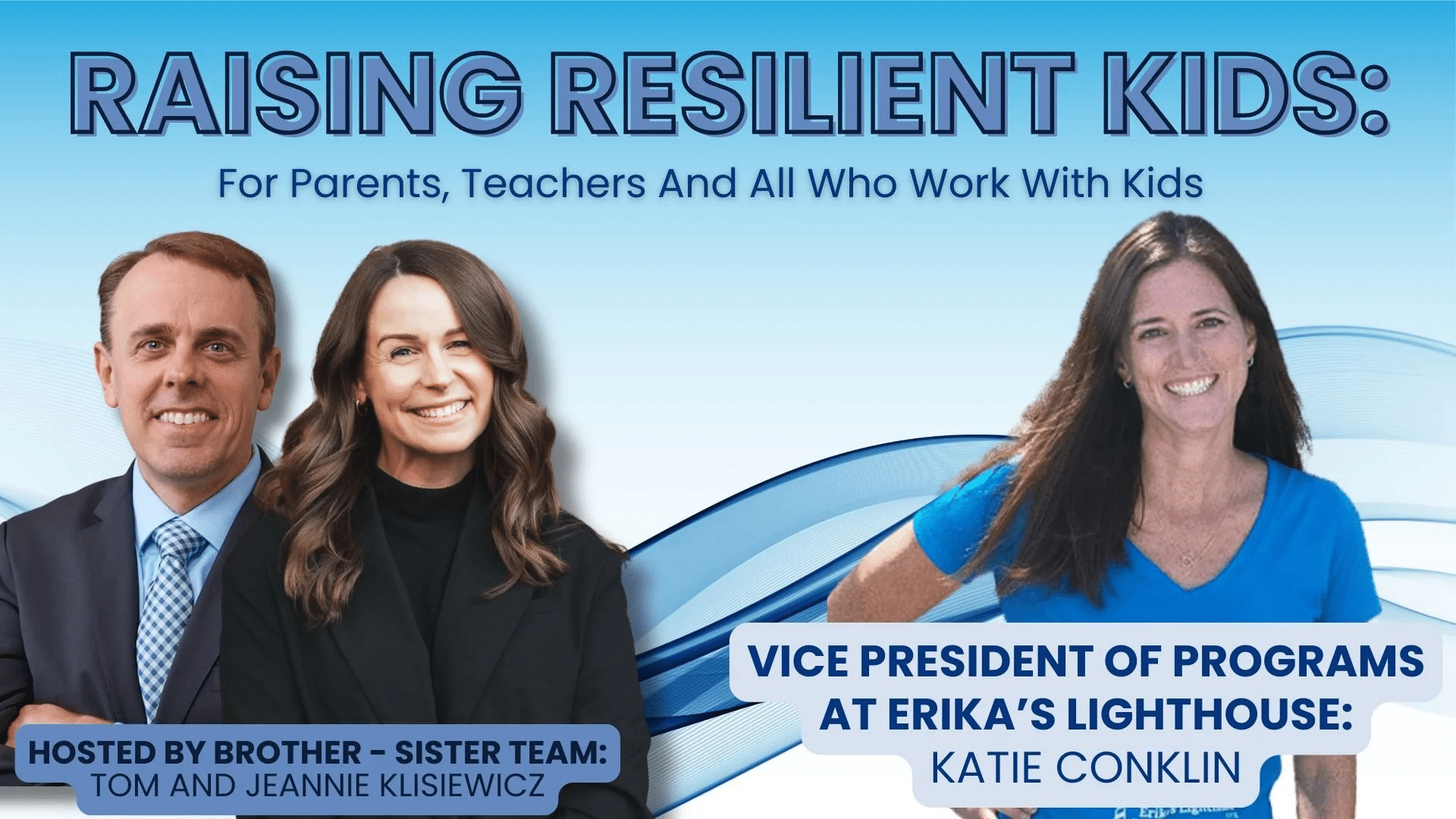
A recent episode of the Raising Resilient Kids Podcast shines a light on this incredible initiative, featuring guest Katie Conklin from Erika’s Lighthouse. The episode, titled “How One Free Program Is Reaching 1 Million Kids Worldwide With Life-Saving Depression Education,” is a must-listen for parents, teachers, and anyone concerned about the well-being of young people.
Erika’s Lighthouse: Empowering a Lifeline for a Lifetime
Erika’s Lighthouse was founded after a tragic loss to adolescent depression, with a mission to raise awareness, encourage good mental health, and break down the associated stigma.
Their dedication to making a difference has led to an incredible achievement: they have impacted over 1 million students worldwide with their educational programs—from classrooms in California to schools in Madagascar. The best part? Every resource offered by Erika’s Lighthouse is 100% free and easy for busy educators to implement.
The program’s core philosophy is simple yet powerful: “Depression education IS suicide prevention.”
By focusing on depression education, the program normalizes the conversation, helps a broader number of students recognize warning signs, and focuses on the essential skills of help-seeking and building coping strategies.
How to Listen and Get Free Resources
If you are looking for practical, tangible ways to support the young people in your life, you need to hear this conversation.
You can listen to the full podcast episode here: Raising Resilient Kids Podcast – How One Free Program is Reaching 1 Million Kids Worldwide
To access all free classroom programs, family workbooks, and resources discussed in the episode, visit the Erika’s Lighthouse website: erikaslighthouse.org. You can create an account and gain access to these life-changing tools in minutes.
About the “Raising Resilient Kids” Podcast
The hosts of the Raising Resilient Kids Podcast are siblings Tom and Jeannie Klisiewicz.
They share a common mission: to help kids become their strongest selves.
In each episode, they provide proven, practical strategies to parents, teachers and anyone who works with youth and teens. Their goal is to help listeners build resilient, confident kids who are equipped to tackle life’s challenges and thrive.
❓ Questions and Answers
1. What is the core philosophy that drives the Erika’s Lighthouse educational program?
Answer: The core philosophy is encapsulated in their tagline: “Depression education IS suicide prevention.”
This approach broadens the conversation and impact, making the topic more relatable to students (as more people know someone who has experienced depression), which helps normalize help-seeking and reduces the stigma often associated with talking about suicide.
2. What are the four pillars of the Erika’s Lighthouse framework for changing school culture?
Answer: Erika’s Lighthouse works from a framework of four pillars to create an inclusive and supportive school culture around mental health:
Classroom Education (Student-facing instruction)
Empowerment Clubs (Student-led, good mental health clubs)
Family Engagement Resources (Resources to educate families)
School Policy and Staff Training (Training all staff and establishing supportive policies)
3. What is an example of one specific, tangible tool Erika’s Lighthouse provides to help students easily identify a trusted adult in their school?
Answer: Beacon of Hope signs.
Schools are encouraged to print and post these signs on classroom doors or clipboards. The sign visually alerts students that the adult is a trusted adult and a safe person to approach if they feel they need help. This simple measure helps build a culture of care and early identification.
